
The Cuddlebook team identified a problem: bilingual parents lacked sufficient English and native-tongue books, limiting language immersion for their children.
Our 21-day MVP development process is a high-intensity methodology focused on eliminating ambiguity, prioritizing ruthlessly, and shipping a market-ready asset.
This document is a technical breakdown of the 21-day process that took Cuddlebook from a problem statement to a live app.
Days 1-3: Strategy Sprint & Backlog Prioritization
Define the Problem Statement:
We codified the user problem: “Bilingual parents have a limited selection of bedtime story books in their native tongue, leading to less opportunity to teach their language to their children.” This statement becomes the filter for all feature requests.
Generate Product Backlog
All conceivable features (user accounts, story sharing, illustrations, audio) are listed.
Ruthless Prioritization:
The entire backlog is prioritized according to a 5-point system. 1 = Must have, 5 = Not required for an MVP
Days 4-8: Design Sprint
Mood Board:
We establish the visual identity. For Cuddlebook, the keywords were “safe,” “simple,” and “imaginative.” This guides palette and typography. (We use a standardized template for this process, which you can find here: https://llume.co/resources)
Lo-fi Wireframing (Figma):
We map the entire user flow. This iteration forces focus on tap economy and flow efficiency. It is infinitely more costly to change a user flow in code than in Figma.
By Day 7, we had a complete overview of the core user journey, which serves as the blueprint for the development sprints.
Days 9-14: Code Sprint
This sprint is dedicated exclusively to implementing the “Must-have” backlog.
Implement Core Interaction:
The primary technical challenge was building the AI story generator.
Prompt Engineering (ChatGPT API):
To create a shippable product, we engineered robust meta-prompts. This master prompt instructs the AI on its persona (a gentle storyteller), enforces rules (age-appropriate content, positive themes, simple narrative structure), and formats the output. This layer of engineering is what turns a volatile AI tool into a predictable, safe, and consistent product.
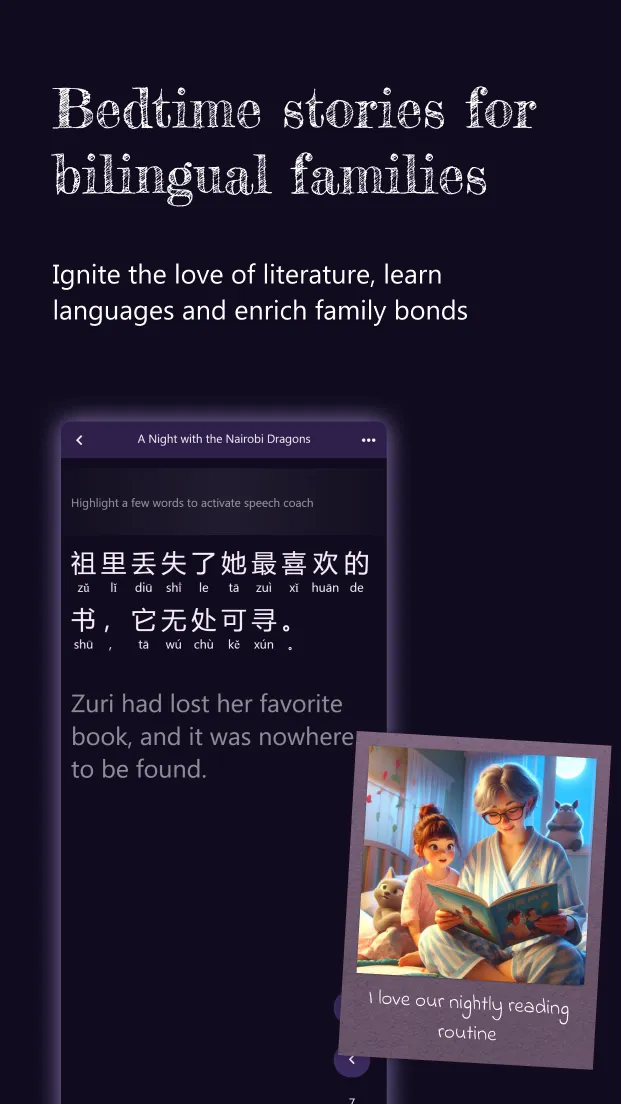
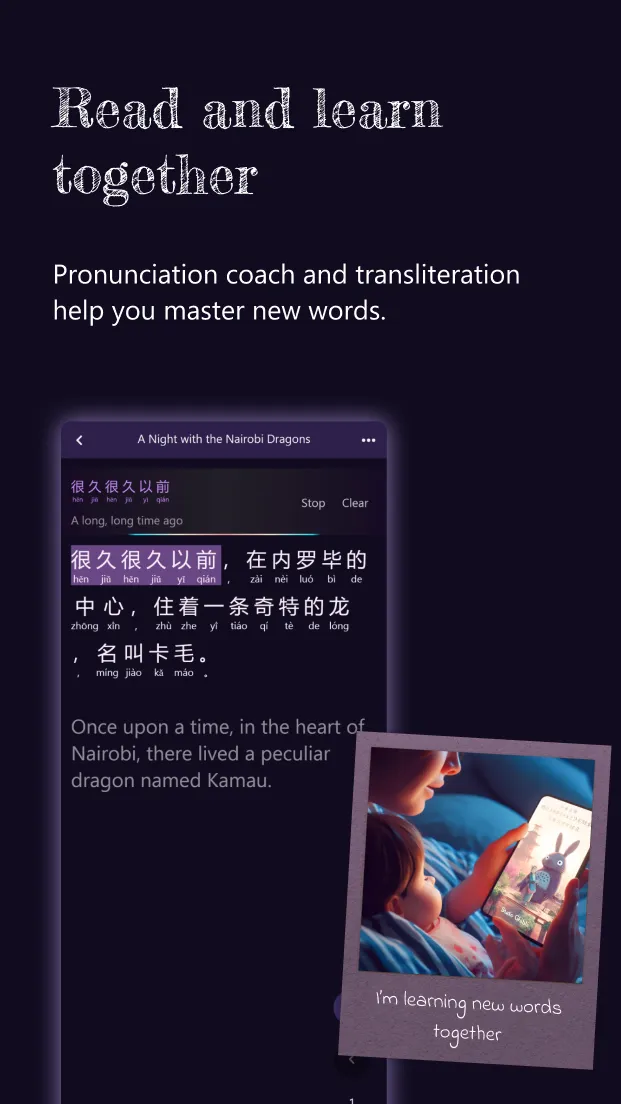
By Day 14, the core engine was functional. The app could successfully validate the central business hypothesis: Can we generate an engaging, appropriate story in a target language on demand? Yes.
Text-to-voice (pronunciation coach)
This feature came from our first round of user testing: non-phonetic alphabet languages (e.g Chinese, Arabic) can be difficult (read: impossible!) to pronounce. We introduced a text-to-speech feature that teaches parent and child the correct pronunciation.
Days 15-18: Code Sprint 2 (Viability & Scalability)
The second sprint involves building “Should-have” features that empower the founder and improve retention.
Content Management System (CMS):
We built a simple headless CMS that decouples the Cuddlebook founders from the development team. They can now add, modify, or feature pre-written stories without requiring a new build or developer intervention. This gives them full control over their app’s content.
Quality of Life (QoL) Features:
We implement the next-highest priority “Should-haves” that directly impact usability:
- Dark Mode: Context-aware for a bedtime app.
- Font Size Adjustment: An essential accessibility feature.
- Save/Favorite: The simplest mechanism for tracking story quality and user engagement.
These features transition the app from a tech demo into a product with a defensible user experience.
Days 19-21: Launch Sprint (Deployment & Analytics)
Google Play & App Store Submission:
This process is a notorious bottleneck. We manage the entire submission and compliance pipeline. This includes generating all required assets (screenshots, descriptions, privacy policies), managing build signing, and navigating the store review process.
Analytics Integration
We integrate privacy-first analytics to answer specific, predetermined business questions:
- Which languages are most popular?
- What is the average number of stories generated per user?
- What is the adoption rate of the “save” feature?
This data provides Cuddlebook with a clear, data-driven roadmap for V2, ending the guesswork.
Conclusion
On Day 21, Cuddlebook was ready to be submitted to both app stores
Whilst 21 days is certainly intense, it works by starting with a clear, well-defined problem statement and feature backlog.